
Same-Day Response When Systems Fail
Emergency HVAC Services in Tucson for heating and cooling failures requiring immediate repair or replacement
Desert heat extremes create urgent comfort and safety risks when air conditioning systems fail during triple-digit afternoons, and unexpected furnace breakdowns leave homes without heat during winter nights when temperatures drop into the forties. Summit HVAC Solutions LLC provides emergency HVAC repair for heating and cooling equipment failures throughout Tucson, including the South Wilshire Drive corridor, Marana, Oro Valley, and Catalina Foothills. Same-day response prevents tenant displacement in rental properties and stops minor issues from escalating into complete system replacements when addressed quickly.
Emergency diagnostics happen on-site with technicians carrying parts inventory on the truck to resolve common failures without delay. The approach prioritizes root cause identification to determine whether repair or replacement makes financial sense, which minimizes downtime and prevents unnecessary equipment purchases. On-call availability means response times measured in hours rather than days, critical when indoor temperatures climb above ninety degrees or fall below fifty without climate control.
Arrange an on-site diagnostic to identify the cause of your heating or cooling system failure.
How Emergency HVAC Service Addresses Urgent Failures
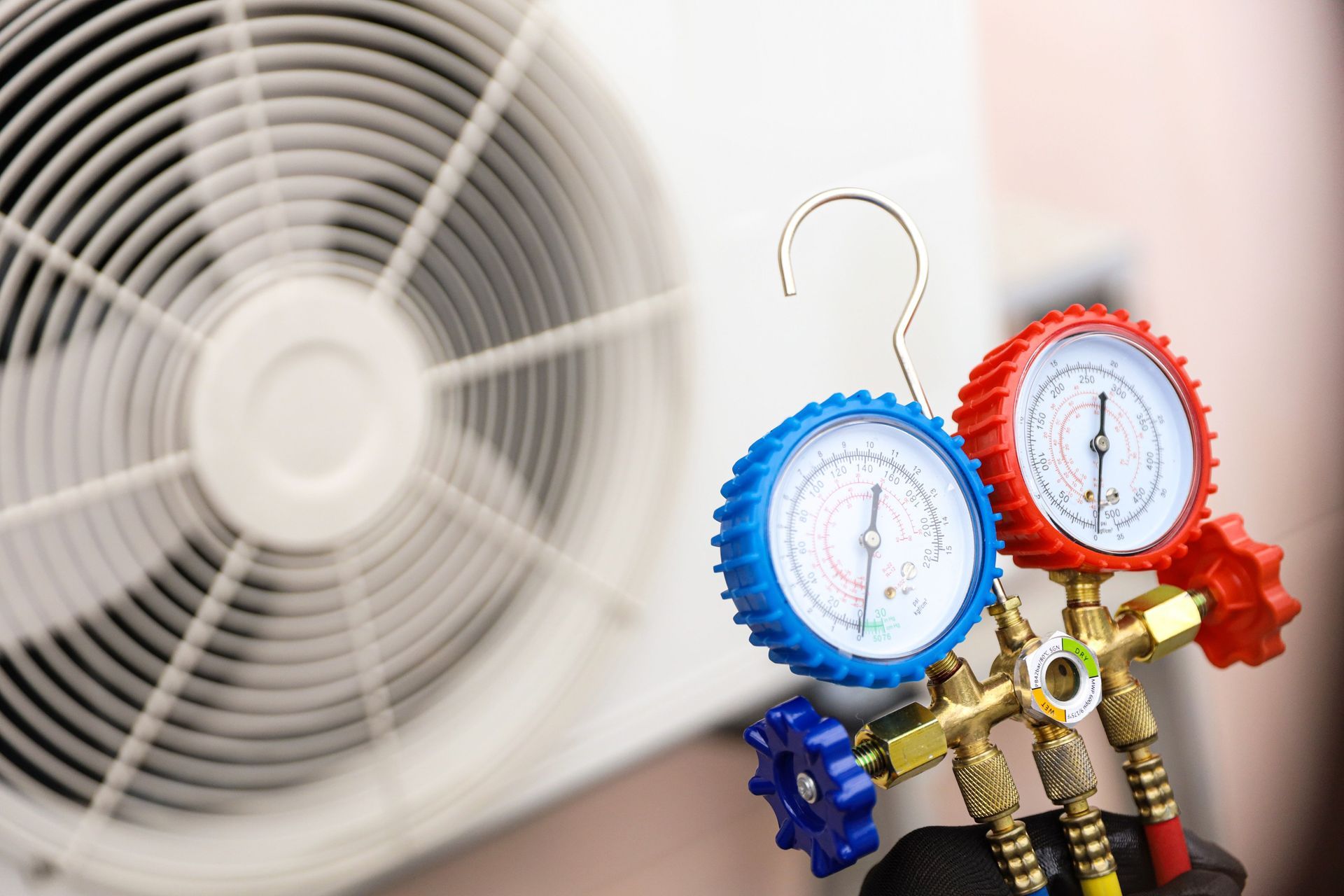
Technicians arrive with diagnostic tools and a parts inventory that covers capacitors, contactors, thermostats, and refrigerant for the most common emergency failures seen in Tucson's climate. The diagnostic process involves testing electrical components, measuring refrigerant pressures, inspecting ductwork connections, and evaluating airflow to isolate whether the issue stems from mechanical failure, electrical fault, or refrigerant loss. One-person operation structure enables direct communication and rapid response without dispatch delays or scheduling conflicts between multiple crews.
Once the repair finishes, you notice indoor temperatures return to thermostat settings within an hour, and the system cycles normally without unusual sounds or odors. Air conditioning units that failed due to capacitor burnout resume cooling immediately after component replacement, while refrigerant leaks require locating the source, sealing it, and recharging the system to manufacturer specifications. Furnaces that won't ignite often need flame sensor cleaning or igniter replacement, both completed during the same service call when parts are available on the truck.
Emergency service includes evaluating whether aging equipment justifies repair costs or whether replacement makes better financial sense given the system's remaining lifespan. The technician explains the repair-versus-replace decision based on equipment age, repair cost as a percentage of replacement cost, and likelihood of additional failures in the near term. Some emergency calls reveal issues that can be temporarily resolved to restore comfort, with full repairs scheduled during standard hours when parts need ordering or more extensive work is required.
Answers to Frequent Service Questions
Property owners facing HVAC emergencies in Tucson typically ask about response times, costs, and what qualifies as an urgent service need.
What qualifies as an emergency HVAC situation?
Complete loss of cooling during summer when indoor temperatures exceed ninety degrees, furnace failures during winter nights below fifty degrees, refrigerant leaks causing ice buildup, or electrical issues creating safety hazards all require same-day attention. Reduced performance without complete failure typically doesn't need emergency response.
How quickly can emergency service arrive in Tucson?
Response times depend on current call volume and your location within the service area, but same-day arrival is standard for genuine emergencies. The one-person operation structure eliminates dispatch coordination delays common with larger companies managing multiple crews.
What repairs can be completed during the emergency visit?
Capacitor replacement, contactor swaps, thermostat repairs, flame sensor cleaning, igniter replacement, and minor refrigerant top-offs happen on-site when parts are carried on the truck. Compressor failures or extensive ductwork repairs require scheduling follow-up visits after parts arrive.
How much does emergency HVAC service cost compared to standard calls?
Emergency service includes trip charges and after-hours rates that exceed standard appointment pricing, but resolving the issue immediately often costs less than temporary cooling solutions like hotel stays or portable units. The technician provides upfront pricing before beginning work.
Why does Tucson heat create more AC emergencies than other regions?
Desert temperatures exceeding one hundred ten degrees force air conditioning systems to run continuously for months, which accelerates wear on capacitors, contactors, and compressors. Systems that handle moderate climates for a decade often fail within seven years under sustained triple-digit heat loads.
Summit HVAC Solutions LLC responds to emergency heating and cooling failures throughout Tucson with diagnostic tools and parts inventory to resolve issues during the first visit. Contact the service line to report your system failure and receive same-day attention.